Drain Field Replacement in Denver, CO
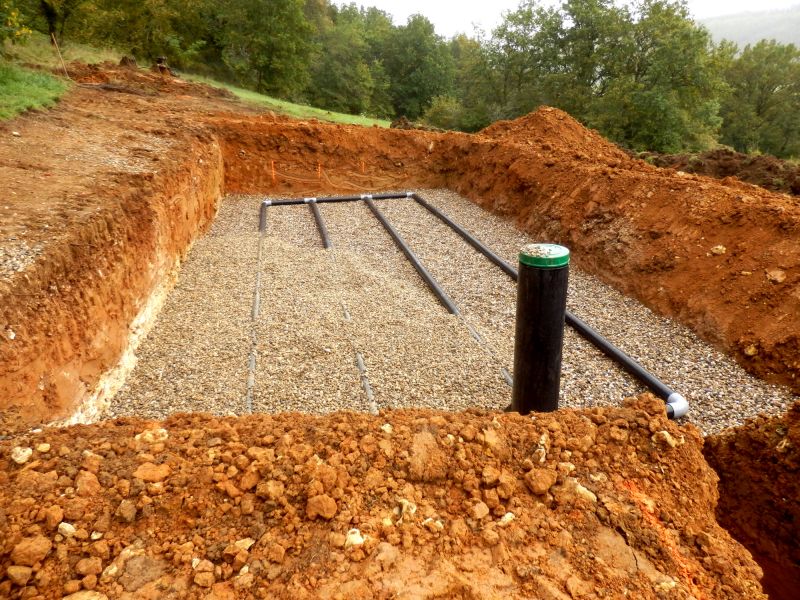
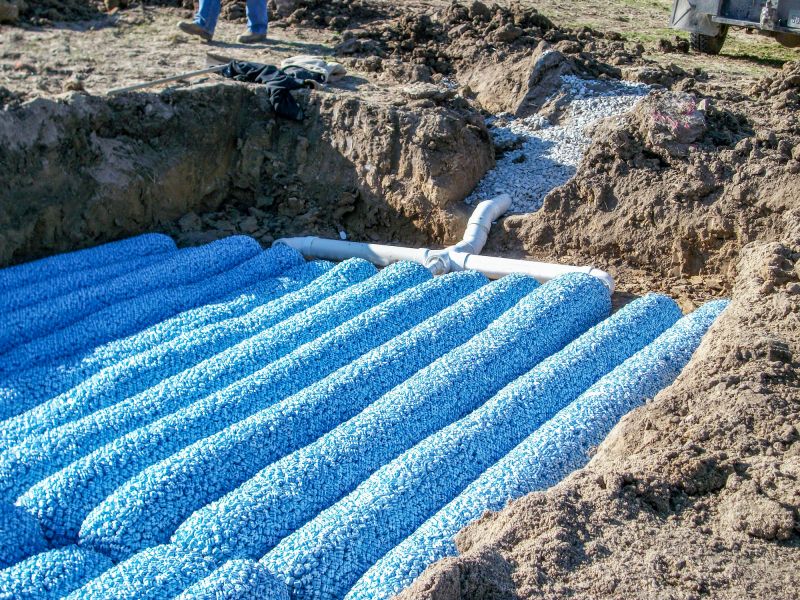
Drain field replacement is a service that involves removing and installing a new drain field system to ensure proper wastewater dispersal from a property’s septic system. This process is typically needed when the existing drain field has failed, become clogged, or is no longer functioning efficiently, which can lead to issues such as standing water, foul odors, or backups. Projects often involve assessing the current system, excavating the affected area, and installing new drain pipes and gravel beds that meet local health and safety standards. Property owners usually want to understand the signs of drain field failure, the scope of the replacement process, and any preparation steps required before work begins.
Before requesting drain field replacement, homeowners should consider factors like the age of their septic system, the history of drainage problems, and the condition of the current drain field. It’s important to evaluate whether repairs might be sufficient or if a full replacement is necessary. Property owners also often inquire about the impact on their landscape, the expected lifespan of a new drain field, and any maintenance needed afterward. Understanding these aspects can help ensure the replacement process aligns with the property’s needs and local regulations.
Many property owners in Denver, CO look into Drain Field Replacement for repairs, replacements, upgrades, and appearance-related improvements.
Signs You Need A Drain Field Replacement
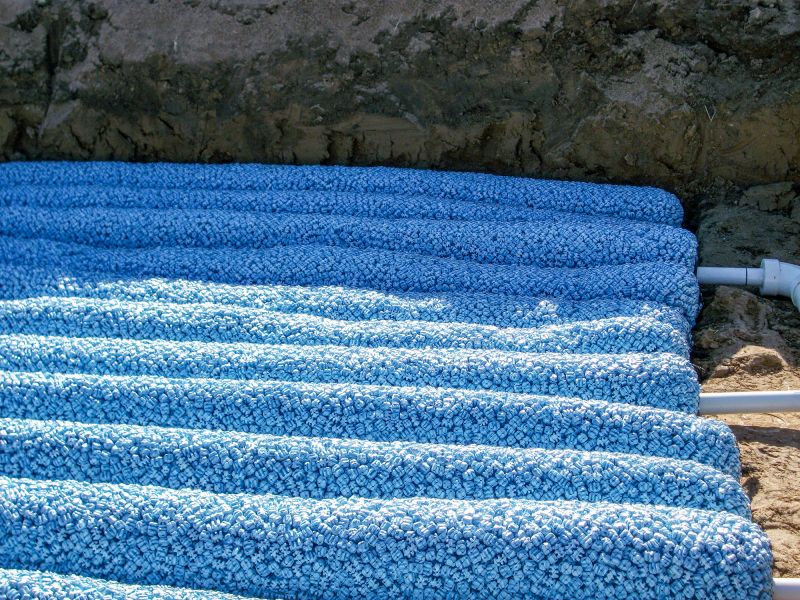
Persistent odors, slow drains, or sewage backups can indicate a failing drain field.
Understanding The Replacement Process
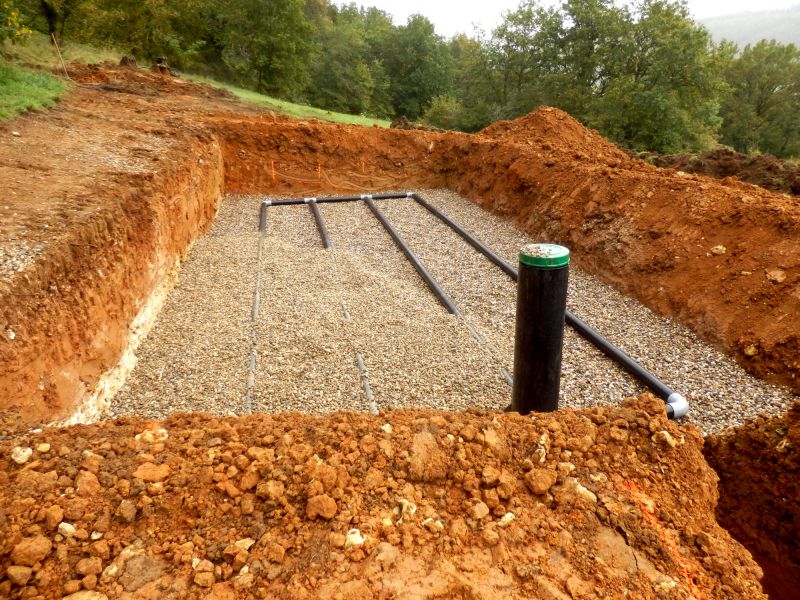
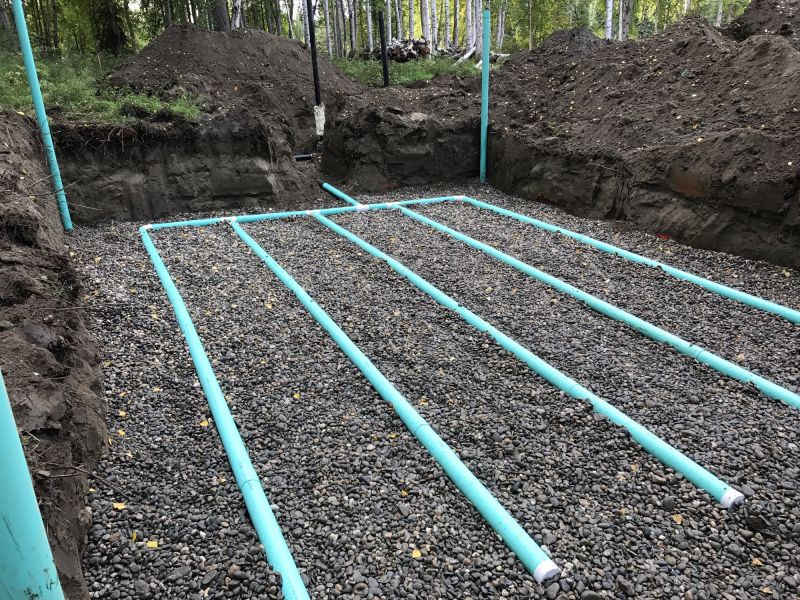
Replacing a drain field involves excavating the old system and installing a new, properly designed drain bed.
Benefits Of A New Drain Field
A new drain field can improve wastewater management and help maintain the health of your property’s septic system.
Drain Field Replacement in Denver, CO
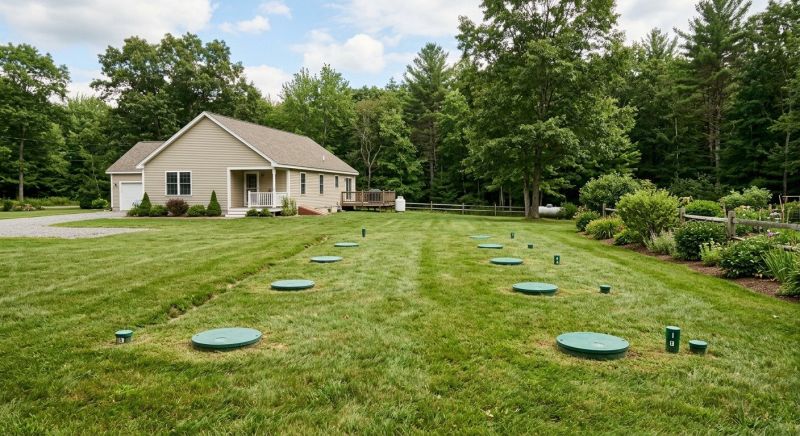
Drain field replacement is a service that involves removing and installing a new drain field system to ensure proper wastewater dispersal from a property’s septic system. This process is typically needed when the existing drain field has failed, become clogged, or is no longer functioning efficiently, which can lead to issues such as standing water, foul odors, or backups. Projects often involve assessing the current system, excavating the affected area, and installing new drain pipes and gravel beds that meet local health and safety standards. Property owners usually want to understand the signs of drain field failure, the scope of the replacement process, and any preparation steps required before work begins.
Before requesting drain field replacement, homeowners should consider factors like the age of their septic system, the history of drainage problems, and the condition of the current drain field. It’s important to evaluate whether repairs might be sufficient or if a full replacement is necessary. Property owners also often inquire about the impact on their landscape, the expected lifespan of a new drain field, and any maintenance needed afterward. Understanding these aspects can help ensure the replacement process aligns with the property’s needs and local regulations.
Many property owners in Denver, CO look into Drain Field Replacement for repairs, replacements, upgrades, and appearance-related improvements.
Common Drain Field Replacement Jobs
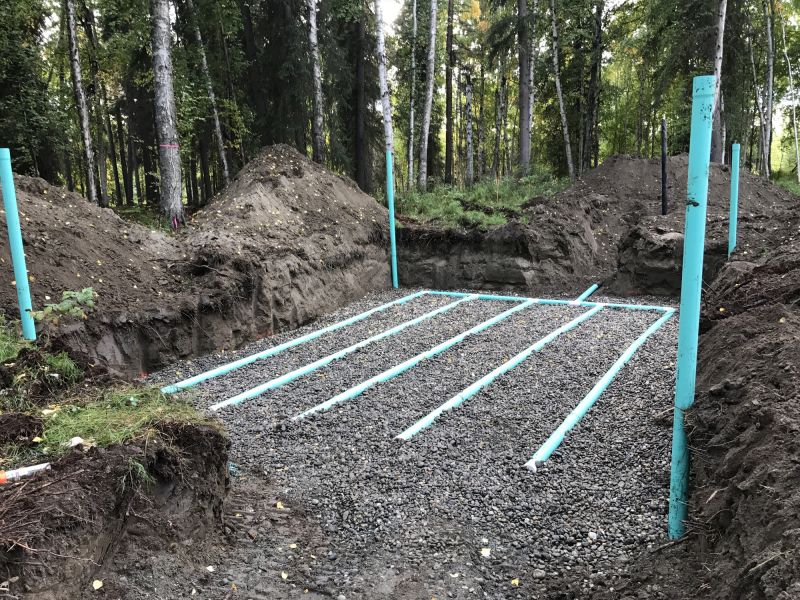
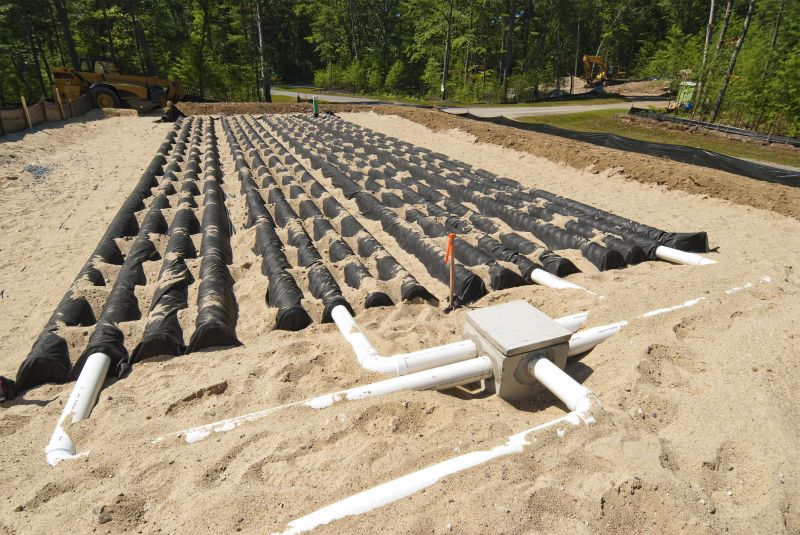
Drain field replacement involves removing and installing a new drain field system to ensure proper wastewater disposal.
Septic system upgrade includes replacing aging or failing drain fields to restore functionality.
Leach field installation provides a new underground area for wastewater to safely disperse into the soil.
Drain field repair addresses issues such as saturated soil or damaged components to prevent system failure.
System evaluation services assess existing drain fields to determine if replacement is necessary.
Drain field maintenance helps identify early signs of failure and prolongs system lifespan.
Drain Field Replacement Questions
What is drain field replacement? Drain field replacement involves removing and installing a new drain field to ensure proper wastewater dispersal from a septic system.
When is drain field replacement needed? Replacement is typically needed when the existing drain field is failing, causing sewage backups or odors.
What signs indicate a drain field may need replacement? Signs include standing water, lush grass over the area, foul odors, or slow draining fixtures.
How does drain field replacement improve property health? It restores proper wastewater management, preventing health hazards and protecting the property’s drainage system.
Request Drain Field Replacement in Denver, CO
Use the quote form on this page to share the basics of your project and request more information for the type of work you need.