What Businesses Should Know About Commercial Septic and Sewer System Installation
Businesses seeking commercial septic and sewer system installation aim to ensure proper waste management, and local contractors can provide the expertise to handle these essential systems effectively.
Understanding what businesses should know about commercial septic and sewer system installation is essential for property owners planning to establish or upgrade facilities. Proper installation ensures reliable waste management, helps prevent costly disruptions, and supports compliance with local regulations. For those in the area, connecting with experienced local contractors can provide valuable guidance, ensuring that the system design and installation process meet the specific needs of the property and its usage. By staying informed and working with trusted service providers, business owners can make informed decisions that support smooth operations and long-term functionality.
Exploring this topic further reveals practical considerations such as site assessment, system capacity, and installation best practices-key factors that influence the success of a commercial septic or sewer project. Local service providers are equipped to handle these aspects efficiently, offering solutions tailored to the unique demands of each property. Keeping informed about these elements can help business owners avoid potential issues and ensure that their waste management infrastructure supports their operational goals effectively.
Get Quotes for Commercial Septic And Sewer System Installation
- Commercial septic system installation - needed when a business operates in an area without access to municipal sewer lines, and local contractors can assess site conditions to design appropriate systems.
- Sewer system installation - required for new commercial buildings or renovations that need reliable waste removal, with service providers managing everything from planning to installation.
- Septic tank setup - essential for businesses that generate significant wastewater and lack existing sewer connections, with local pros ensuring proper sizing and placement.
- Drain field installation - necessary when a septic system requires an effective area for wastewater dispersal, with contractors preparing the site to meet local regulations.
- Sewer line replacement - needed if existing sewer lines are damaged or outdated, with service providers handling excavation and proper installation to prevent future issues.
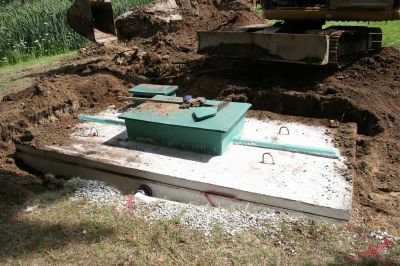
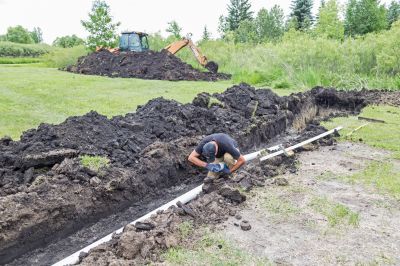
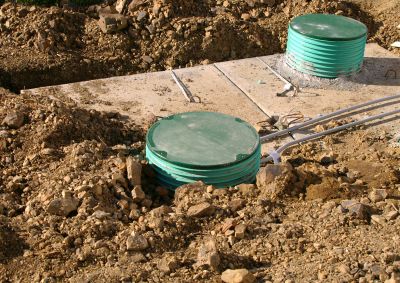
When searching for information on what businesses should know about commercial septic and sewer system installation, most people are looking to understand the basics of how these systems work and why proper installation is essential. Commercial properties often require larger or more complex systems compared to residential sites, especially when serving multiple tenants, large-scale operations, or properties with specific waste management needs. Business owners may want to learn about the process involved in installing these systems, common regulations or permits that might be required, and how to ensure the installation is done correctly to prevent future issues. Understanding these fundamentals helps business owners make informed decisions and collaborate effectively with local service providers.
Commercial septic and sewer system installation is connected to a variety of problems and planning efforts that businesses might encounter. For example, a new business location may need a reliable waste management solution before opening, or an existing property might require upgrades to meet increased capacity or code compliance. Problems such as system backups, foul odors, or sewage leaks can disrupt operations and lead to costly repairs if not addressed properly. Proper planning also involves considering the property’s size, usage patterns, and local regulations, which can influence the type and size of the system needed. Local contractors specializing in commercial septic and sewer installation can assess these factors and recommend solutions tailored to each property’s unique requirements.
The types of properties that typically involve commercial septic and sewer system installation include retail centers, office buildings, industrial facilities, restaurants, and large-scale agricultural operations. These properties often generate significant waste volumes that surpass what standard residential systems can handle. In some cases, properties are in areas where municipal sewer connections are unavailable or impractical, making on-site septic systems the only viable option. Additionally, properties with multiple tenants or high-occupancy uses require systems designed for higher capacity and durability. Local service providers are experienced in working with these diverse property types, ensuring that the installation process aligns with the specific demands of each business environment.
Understanding what businesses should know about commercial septic and sewer system installation helps clarify how these systems fit into larger project plans. Proper installation by experienced local contractors ensures that waste is managed efficiently, complies with local codes, and minimizes operational disruptions. Whether establishing a new facility or upgrading an existing one, having the right system in place is crucial for maintaining business continuity. Service providers can evaluate the property’s needs, recommend suitable system types, and handle the installation process professionally. This connection between property needs and expert installation helps business owners focus on their core operations while ensuring their waste management infrastructure is reliable and compliant.
Drainage System Installations - Professionals who handle commercial septic and sewer system installation often have experience installing drainage systems for landscaping, parking lots, and site grading to prevent water accumulation.
Underground Utility Line Installation - Similar skills are required for installing underground water, gas, and electrical lines, which also involve planning, trenching, and working with subterranean infrastructure.
Stormwater Management Projects - These projects involve designing and installing systems to manage runoff, which shares planning and excavation skills with septic and sewer system installations.
Water Supply Line Installation - Local contractors experienced in sewer systems often also install water supply lines, requiring knowledge of underground piping and site preparation.
Site Excavation and Grading - Proper site preparation for septic and sewer systems includes excavation and grading, skills applicable to many other construction and utility projects.
Pump Station Installation - Installing pump stations for wastewater or stormwater management involves similar planning, equipment, and underground work as commercial sewer system projects.
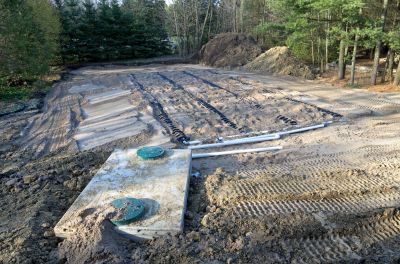
When evaluating service providers for commercial septic and sewer system installation, it is important for business owners to consider the experience of local contractors with similar projects. Contractors who have a proven track record in installing systems comparable in size and complexity can offer insights into potential challenges and best practices. This experience helps ensure that the installation process aligns with the specific needs of the business, leading to a more efficient and reliable outcome. Asking for examples of past work or references related to commercial septic and sewer systems can provide a clearer picture of a contractor’s familiarity with the requirements and standards relevant to the project.
Clear written expectations are essential when comparing local pros for commercial septic and sewer system installation. A detailed scope of work, including project milestones, responsibilities, and deliverables, helps prevent misunderstandings and sets a foundation for smooth communication. Business owners should seek out providers who can articulate their approach and provide comprehensive proposals that outline what is included and what is not. Having this clarity upfront allows for better decision-making and ensures that all parties are aligned on the project's scope, timeline, and objectives.
Effective communication and reputable references are critical factors to consider when choosing local contractors for septic and sewer installation. Service providers who are transparent and responsive during the initial consultation often demonstrate a commitment to professionalism and client satisfaction. Additionally, seeking references from previous clients can reveal insights into the contractor’s reliability, quality of work, and ability to adhere to expectations. Good communication throughout the project fosters collaboration and helps address any issues promptly, ultimately supporting a successful installation that meets the specific needs of the business.
Get a Quote for Commercial Septic And Sewer System Installation
Property owners often search for what businesses should know about commercial septic and sewer system installation when they are planning practical projects around their homes and businesses. Local pros provide Commercial Septic and Sewer System Installation services for everyday jobs and straightforward project options.
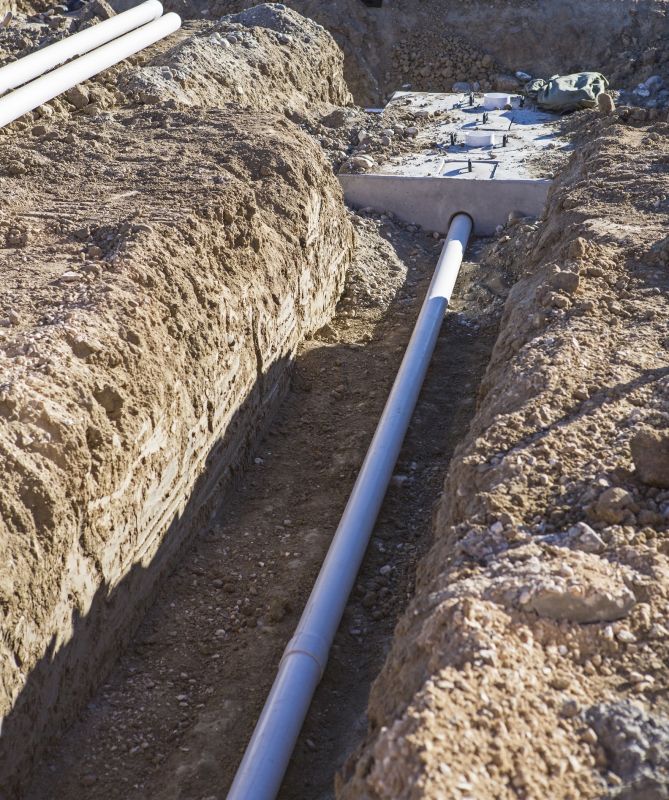
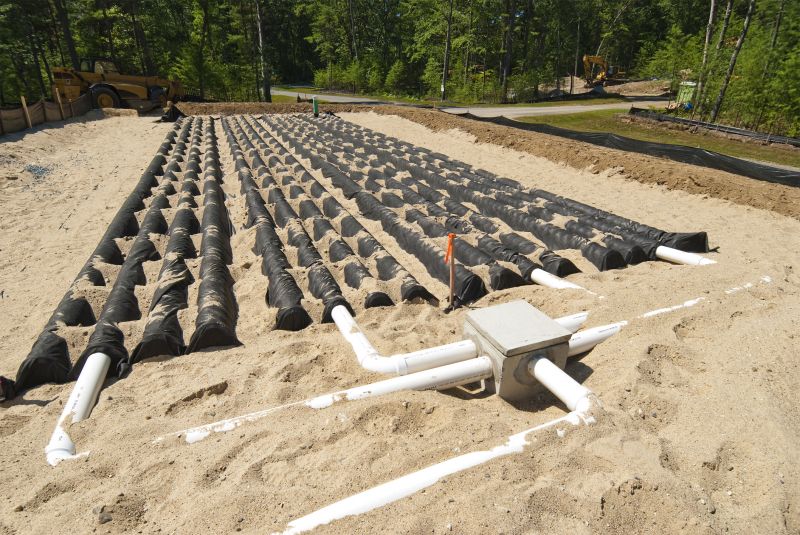
Understanding the essentials of commercial septic and sewer system installation is important for property owners managing businesses that generate significant wastewater or are located in areas lacking access to municipal sewer lines. In everyday project situations, property owners may need to plan for new systems when developing a site, expanding existing facilities, or replacing outdated infrastructure. Local contractors who specialize in these installations can evaluate the property’s terrain, soil conditions, and wastewater needs to recommend appropriate solutions, ensuring the system is designed to handle the business’s daily demands efficiently and reliably.
Many property owners look into commercial septic and sewer system installation services to avoid future complications or compliance issues. When considering these services, it’s helpful to understand that experienced service providers can handle the technical aspects of installation, from permits and site preparation to system setup and testing. Connecting with local contractors who are familiar with regional regulations and best practices can help ensure the system is installed correctly, supporting smooth operations and minimizing the risk of costly repairs or disruptions later on.
Get a Quote for Commercial Septic And Sewer System Installation
What should businesses consider before installing a commercial septic or sewer system? Businesses should evaluate the size and capacity needs of their operations, site conditions, and local regulations to ensure proper system selection and compliance. Consulting with experienced service providers can help determine the most suitable options for their specific requirements.
How do local contractors determine the best type of system for a business property? Local contractors assess factors such as soil type, property layout, and wastewater volume to recommend appropriate septic or sewer system solutions that meet operational demands and adhere to local codes.
What are common challenges businesses face during commercial septic and sewer system installation? Challenges may include site constraints, soil conditions, and ensuring proper drainage and connection to existing infrastructure. Skilled service providers can address these issues effectively during installation.
Why is proper planning important for commercial septic and sewer system installation? Proper planning helps ensure the system is correctly sized, complies with regulations, and minimizes future maintenance issues, ultimately supporting smooth business operations.
How can businesses ensure their septic or sewer system installation is handled correctly? Working with experienced local service providers who understand commercial requirements and local regulations can help ensure the installation is performed properly and efficiently.
Understanding site requirements - property owners should assess land conditions and space availability to ensure proper installation of commercial septic and sewer systems with the help of local contractors.
Planning for future capacity - businesses can work with service providers to determine the system size needed to accommodate growth and daily usage demands.
Choosing appropriate system types - consulting with local pros helps identify the best septic or sewer options suited to the property's specific needs and local regulations.
Ensuring proper permits and compliance - property owners should verify that all necessary permits are obtained and installation meets local codes through professional guidance.
If you are thinking about what businesses should know about commercial septic and sewer system installation for a property, this guide is meant to help you understand this topic, the typical project types, and how different options might fit your plans.
When you are ready, you can use the quote form on this page to share a few details about your project. From there, local pros can review the basics and follow up with options that match what you have in mind.
Get a Quote for Commercial Septic And Sewer System Installation