Leach Lines Installation in Denver, CO
Leach line installation services involve setting up underground drain lines that carry wastewater away from a property’s septic system or drain field. This process is essential for properties that rely on septic tanks, ensuring proper disposal of household sewage. Projects typically include installing new leach lines during septic system upgrades, repairs, or initial setups, especially when existing lines become clogged or fail to drain effectively. Homeowners often want to understand the scope of the installation, the materials used, and how the process may impact their landscape or existing infrastructure before requesting service.
Property owners should consider factors such as the size of the property, soil conditions, and local regulations when planning for leach line installation. It’s important to assess the location of the septic tank and drain field, as well as any potential obstructions or underground utilities that could affect the work. Proper planning helps ensure the new leach lines function efficiently and meet the property’s wastewater management needs. Contacting a professional can provide guidance on project requirements and help determine the best approach for installing or replacing leach lines on a residential property.
Many property owners in Denver, CO look into Leach Lines Installation for repairs, replacements, upgrades, and appearance-related improvements.
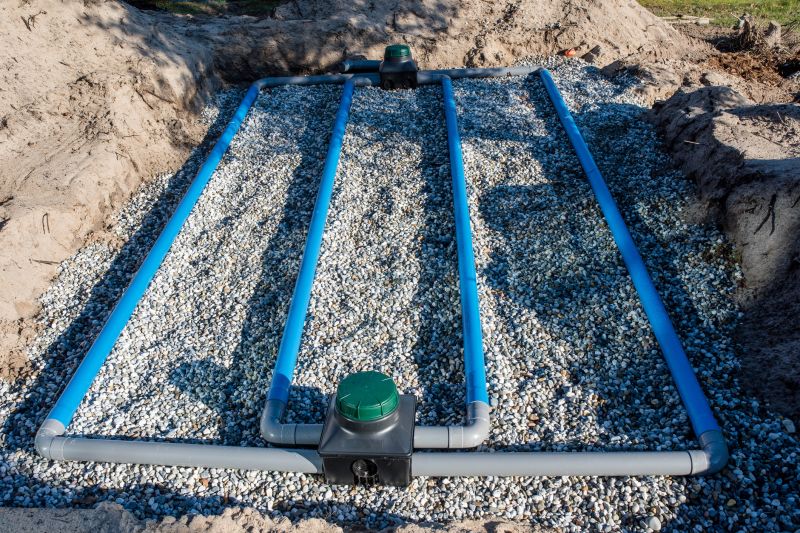
Leach Line Replacement
Replacing aging or damaged leach lines to ensure proper septic system function.
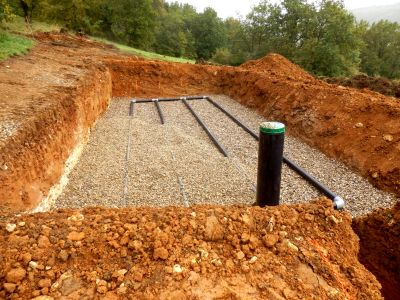
Leach Field Installation
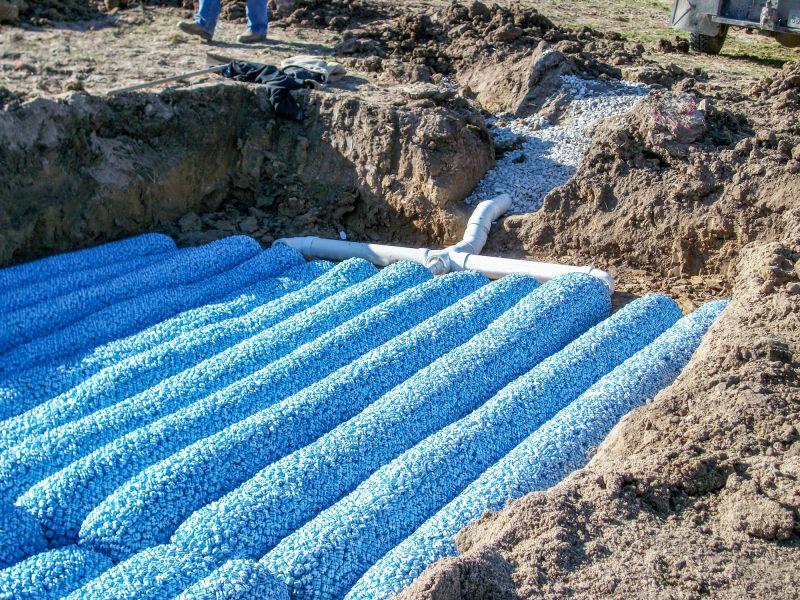
Designing and installing new leach fields to support effective wastewater dispersal.
Leach Line Maintenance
Inspecting and maintaining leach lines to prevent system failures and backups.
Leach Lines Installation in Denver, CO
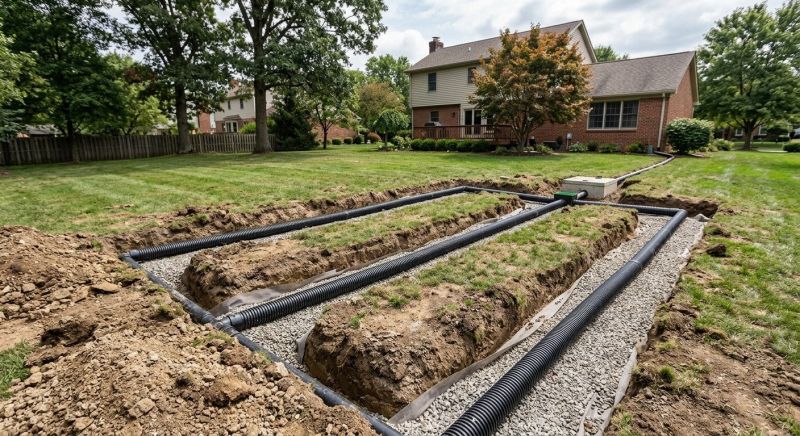
Leach line installation services involve setting up underground drain lines that carry wastewater away from a property’s septic system or drain field. This process is essential for properties that rely on septic tanks, ensuring proper disposal of household sewage. Projects typically include installing new leach lines during septic system upgrades, repairs, or initial setups, especially when existing lines become clogged or fail to drain effectively. Homeowners often want to understand the scope of the installation, the materials used, and how the process may impact their landscape or existing infrastructure before requesting service.
Property owners should consider factors such as the size of the property, soil conditions, and local regulations when planning for leach line installation. It’s important to assess the location of the septic tank and drain field, as well as any potential obstructions or underground utilities that could affect the work. Proper planning helps ensure the new leach lines function efficiently and meet the property’s wastewater management needs. Contacting a professional can provide guidance on project requirements and help determine the best approach for installing or replacing leach lines on a residential property.
Many property owners in Denver, CO look into Leach Lines Installation for repairs, replacements, upgrades, and appearance-related improvements.
Common Leach Lines Installation Jobs
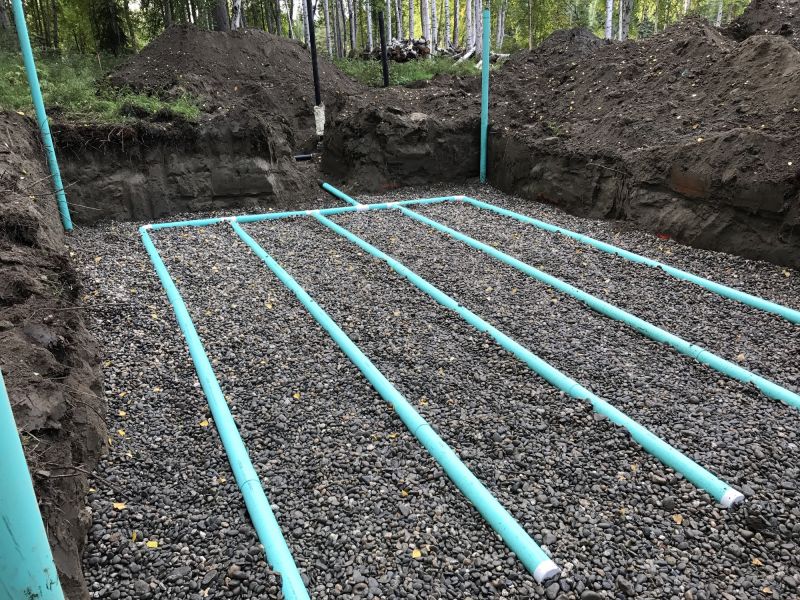
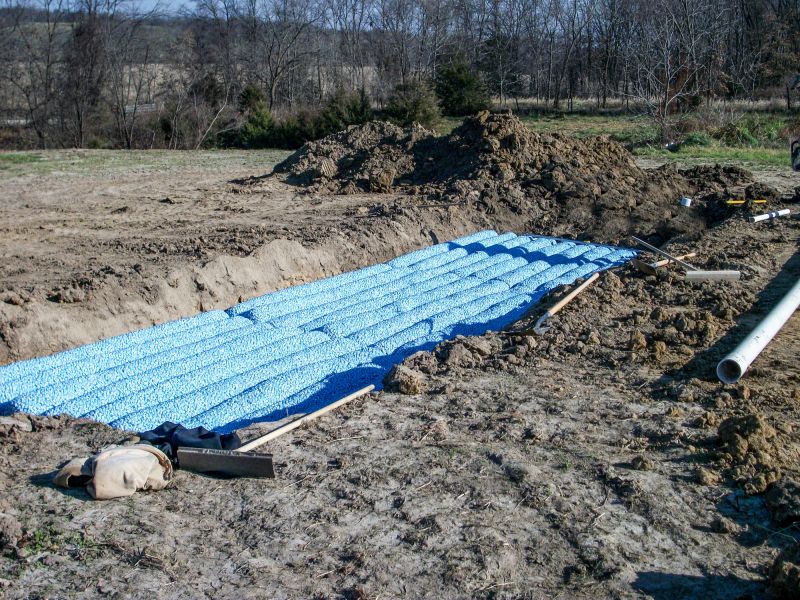
Leach line installation involves setting up drainage systems to properly direct wastewater from septic tanks.
Septic system upgrades include replacing or extending leach lines to improve soil absorption.
Leach field repairs address issues like clogs or saturated soil to restore proper function.
New leach line installation ensures efficient wastewater dispersal for property expansion or system replacement.
Leach line inspections help identify potential problems before costly repairs are needed.
Drainage system enhancements optimize leach line performance to prevent backups and soil saturation.
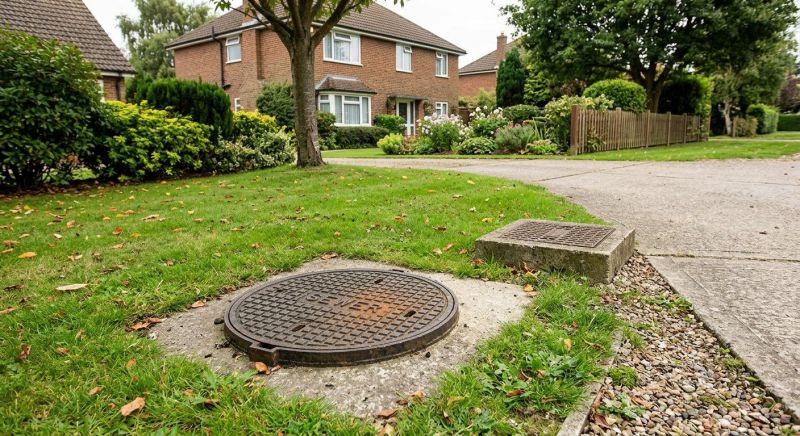
Leach Lines Installation Questions
What are leach lines used for? Leach lines are part of a septic system that disperses treated wastewater into the soil, helping to safely manage household sewage.
When should leach lines be installed? Installation is typically considered when setting up a new septic system or replacing an existing leach field that is failing or damaged.
How can property owners tell if leach lines need repairs? Signs include persistent odors, soggy areas in the yard, or slow drainage in plumbing fixtures, which may indicate issues with the leach field.
What factors affect leach line performance? Soil type, proper installation depth, and maintenance practices influence how well leach lines function over time.
Request Leach Lines Installation in Denver, CO
Use the quote form on this page to share the basics of your project and request more information for the type of work you need.